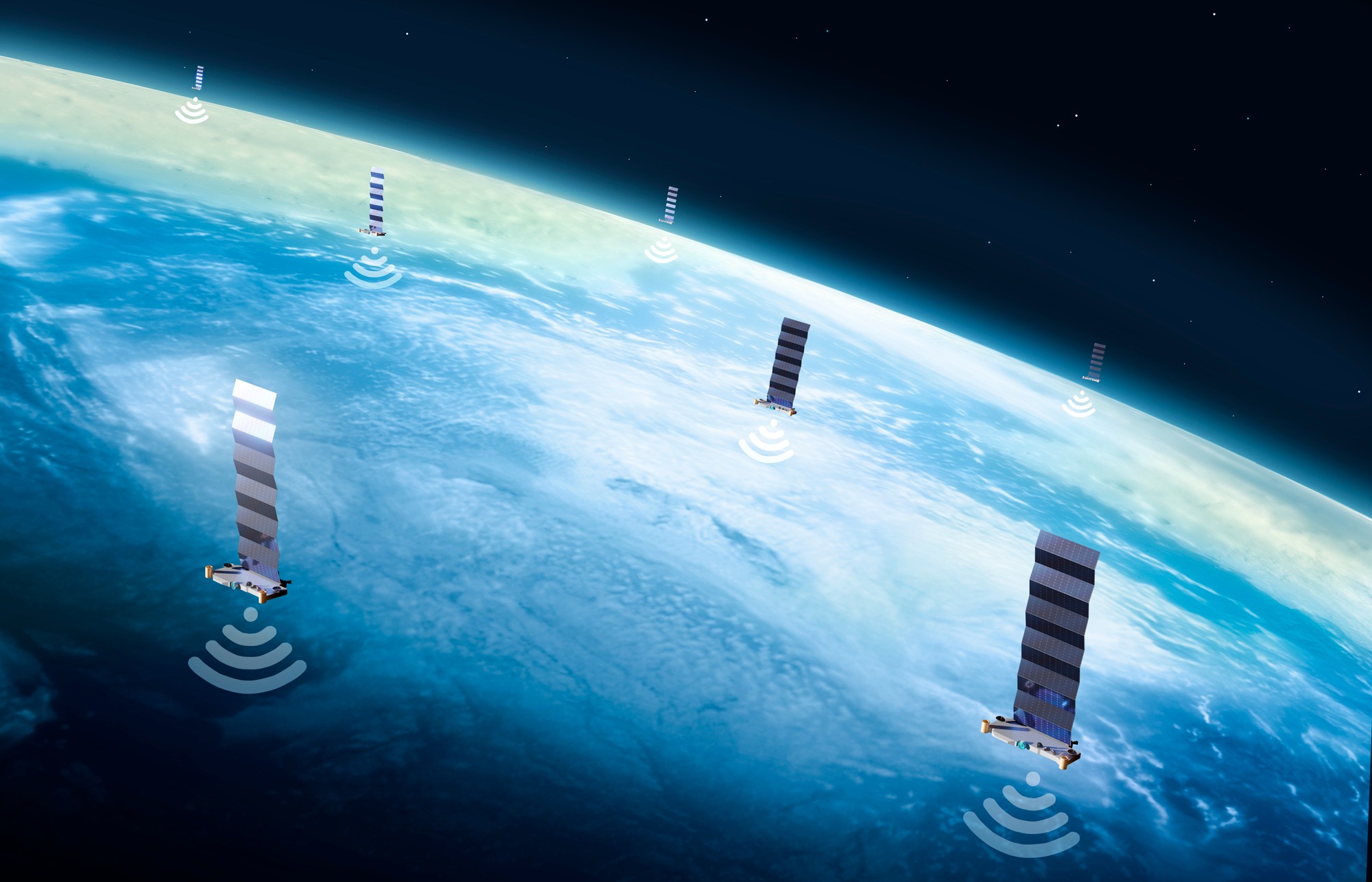
Satellite internet has traditionally been associated with slow speeds and high latency, but recent advancements have changed expectations significantly. Starlink has emerged as a new generation satellite internet service designed to deliver faster speeds, lower latency, and broader global coverage. Understanding how it works and what users should realistically expect helps determine whether it is the right connectivity option.
How Starlink satellite internet works
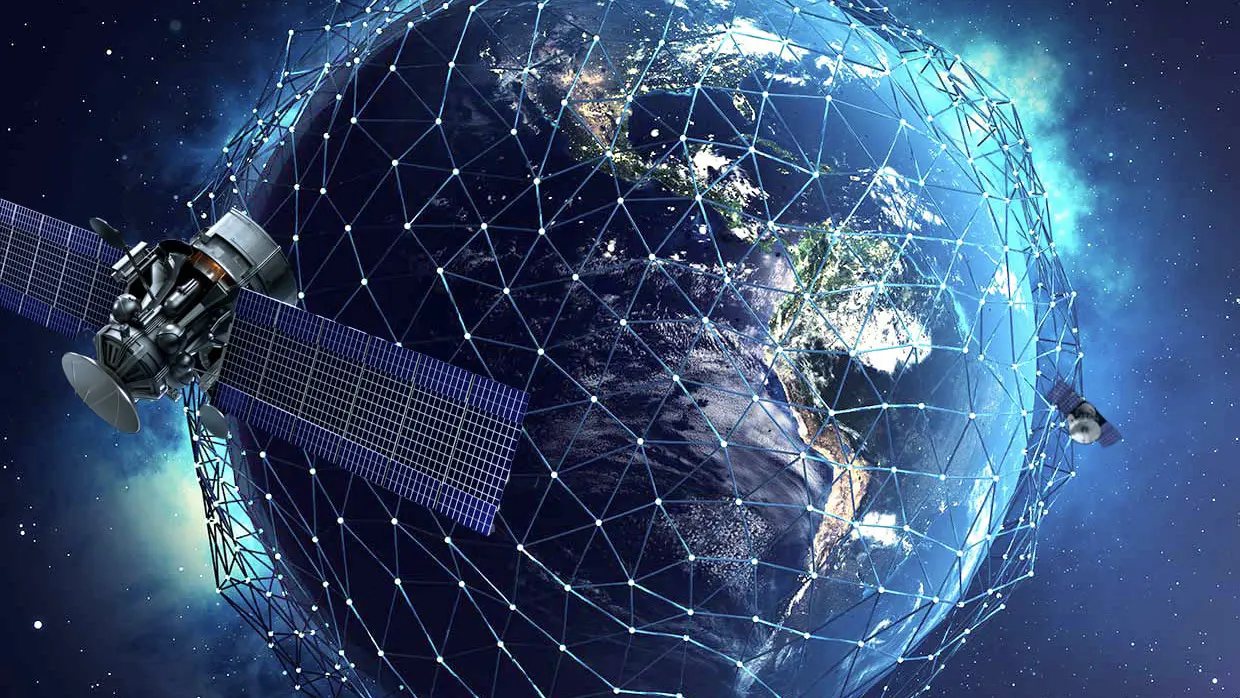
Starlink operates using a large constellation of low Earth orbit satellites rather than a small number of satellites positioned far from the planet. These satellites orbit much closer to Earth, which significantly reduces the distance data must travel. As a result, latency is far lower than traditional satellite services.
User data is transmitted from a small satellite dish installed on the property. This dish automatically aligns with the satellites passing overhead and maintains a continuous connection as they move across the sky. The signal is then routed through ground stations and the wider internet network.
Because the system relies on a moving constellation rather than a fixed satellite, coverage improves as more satellites are launched. This approach allows service to reach remote, rural, and hard to connect areas where fibre or fixed wireless infrastructure is unavailable or unreliable.
Performance, speed, and real world expectations
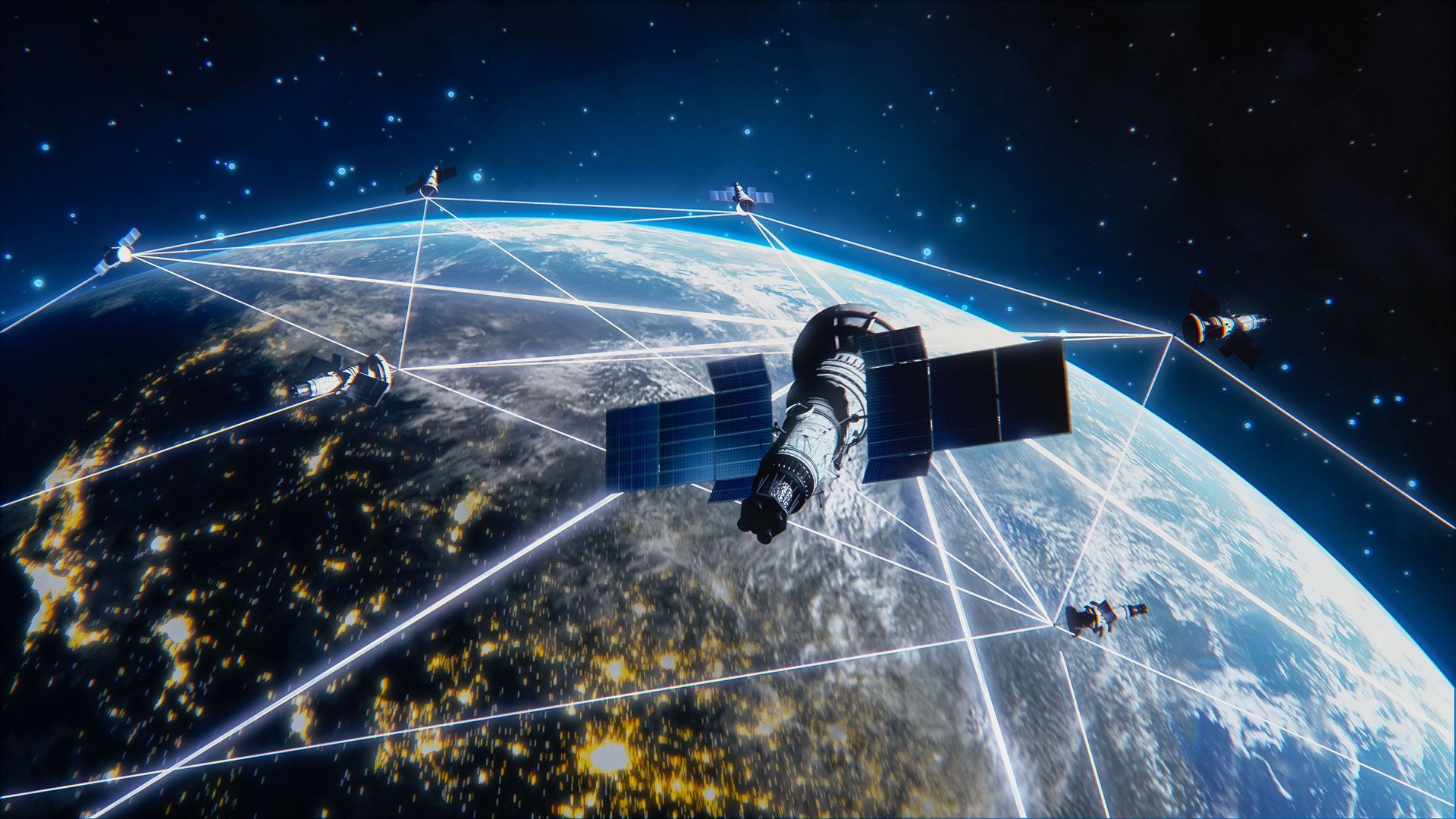
Starlink is designed to support modern internet use such as video streaming, remote work, cloud applications, and online communication. Speeds vary depending on location, network demand, and environmental conditions, but are generally far higher than legacy satellite services.
Latency is one of the most noticeable improvements. While not as low as fibre connections, Starlink latency is suitable for video calls, online collaboration, and many real time applications. Weather such as heavy rain or obstructions like trees and buildings can affect performance, so a clear view of the sky is essential for consistent service.
Unlike traditional broadband plans, satellite internet performance can fluctuate as satellites move and network load changes. Users should expect variation rather than fixed speeds at all times, especially during peak usage periods.
Installation, costs, and ongoing considerations

Installing Starlink typically involves mounting the satellite dish in an open area with minimal obstructions and connecting it to the provided router. The system is designed for self-installation, although some users may prefer professional assistance for roof or pole mounting.
Costs include an upfront equipment purchase and a recurring monthly service fee. Pricing may vary by region and service tier. There are no long term contracts in most cases, offering flexibility for users who need temporary or seasonal connectivity.
Power availability and backup should also be considered. Because the system relies on powered equipment, uninterrupted service requires a stable electricity supply. For remote sites, pairing satellite internet with backup power solutions improves reliability.
Conclusion
Starlink represents a significant shift in satellite internet technology, offering faster speeds and lower latency than traditional services. By using low Earth orbit satellites and a dynamic network design, it brings reliable connectivity to areas that previously had limited options. While performance can vary and environmental factors matter, Starlink provides a practical and increasingly popular solution for users who need dependable internet beyond the reach of conventional networks.