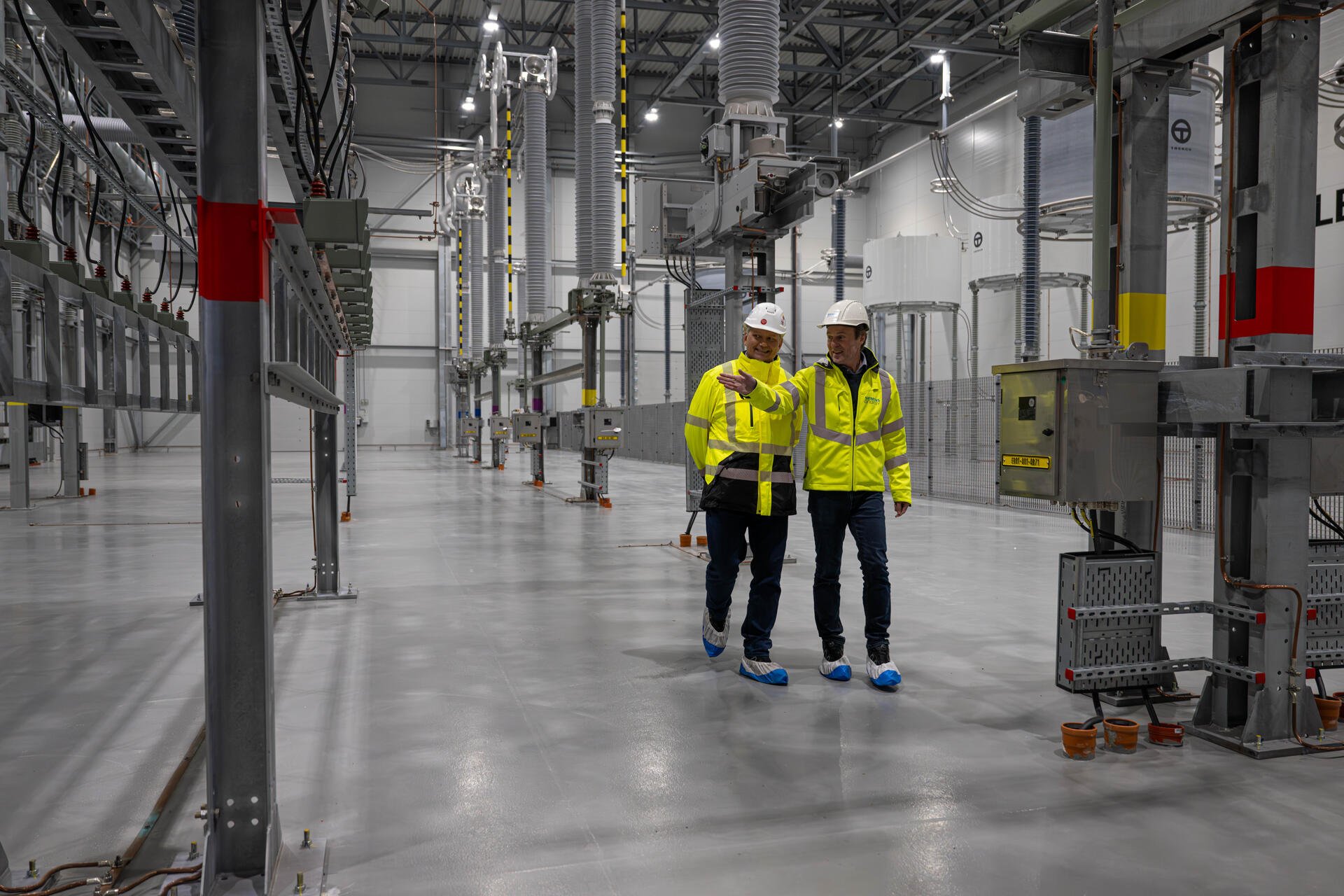
Large-scale energy projects involve far more than construction alone. Renewable energy developments, substations, transmission networks, and industrial power facilities require detailed engineering throughout every phase of the project. From initial planning and technical studies to commissioning and long-term operation, expert engineering support helps reduce risk while keeping projects on schedule.
As electrical networks become more sophisticated, project teams must manage increasingly complex technical requirements, regulatory standards, and grid integration challenges. Access to experienced engineering professionals helps ensure these issues are addressed before they affect cost, timelines, or system performance.
Strong engineering support creates the foundation for successful and reliable energy infrastructure.
Specialist Engineering Improves Project Outcomes

Developers and infrastructure owners should explore the role of a grid connection engineer (click here) to better understand how specialist engineering supports grid compliance, connection studies, technical assessments, protection coordination, and the successful integration of new energy projects into existing electrical networks.
Engineering specialists work closely with project teams to identify technical risks, evaluate network requirements, and prepare designs that satisfy utility and regulatory expectations. Early technical involvement helps reduce redesigns while improving coordination between designers, contractors, and network operators.
Addressing complex engineering challenges during the planning stage contributes to more efficient project delivery and improved long-term system performance.
Careful technical planning helps projects progress with greater certainty.
Reduce Delays And Improve Coordination

Complex energy developments often involve multiple stakeholders, including engineers, contractors, utility providers, consultants, and regulatory authorities. Effective engineering support improves communication between these groups while helping technical decisions remain aligned throughout the project lifecycle.
Detailed engineering reviews also allow potential issues to be identified before procurement, construction, or commissioning begins. This reduces the likelihood of unexpected delays, costly modifications, and operational problems after the project is completed.
Well-coordinated engineering processes improve efficiency while supporting safer project delivery.
Strong collaboration helps complex infrastructure projects remain on schedule and within budget.
Support Long-Term Network Reliability
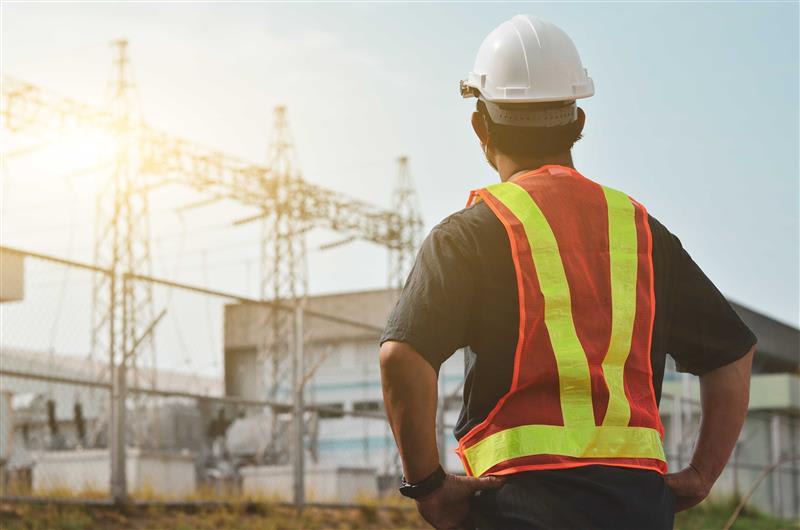
Engineering decisions made during project development continue to influence system performance long after construction has finished. Well-designed electrical infrastructure is easier to maintain, more adaptable to future expansion, and better prepared to respond to changing energy demands.
Comprehensive technical documentation, system studies, and careful equipment selection also provide valuable support for future maintenance, operational planning, and ongoing network improvements.
Long-term engineering thinking helps maximise the value and reliability of critical energy infrastructure.
Investing in quality engineering today supports stronger electrical networks for decades to come.
Conclusion
Better engineering support is essential for keeping complex energy projects on track. Early technical planning, specialist expertise, and effective coordination reduce project risk while improving construction efficiency and long-term operational performance.
By involving experienced engineering professionals throughout the project lifecycle, developers can deliver reliable, compliant, and future-ready energy infrastructure that continues to perform safely and efficiently for many years.