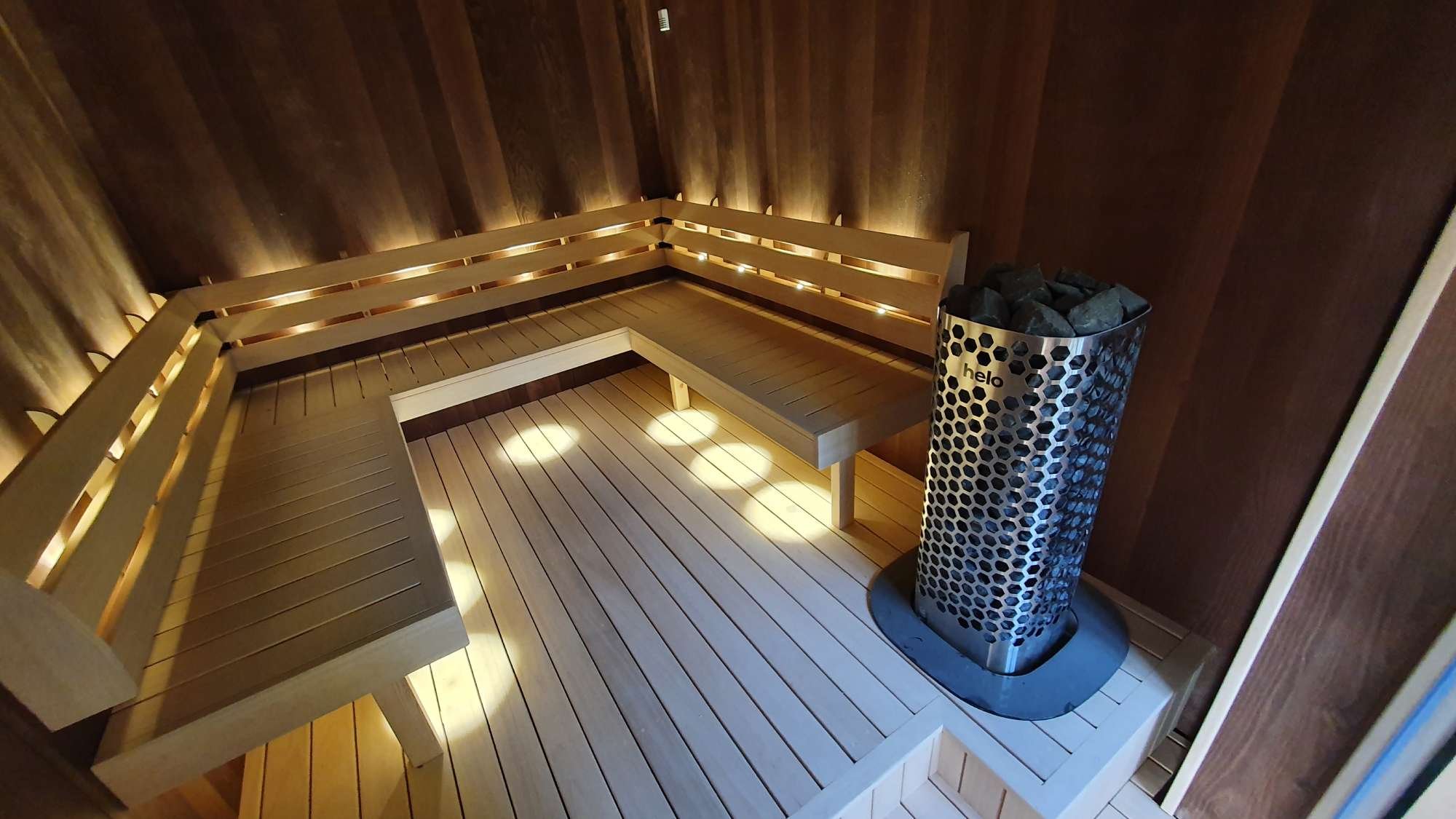
The sauna heater is responsible for creating and maintaining the temperature that defines the entire sauna experience. Choosing the wrong model can result in slow heating, uneven warmth, excessive energy use, or a system that struggles to serve the available space.
The best choice depends on the room size, insulation, frequency of use, available power supply, and preferred control features. Homeowners and commercial operators should evaluate these factors carefully before selecting a heater or beginning installation.
Match the Heater Output to the Sauna Room
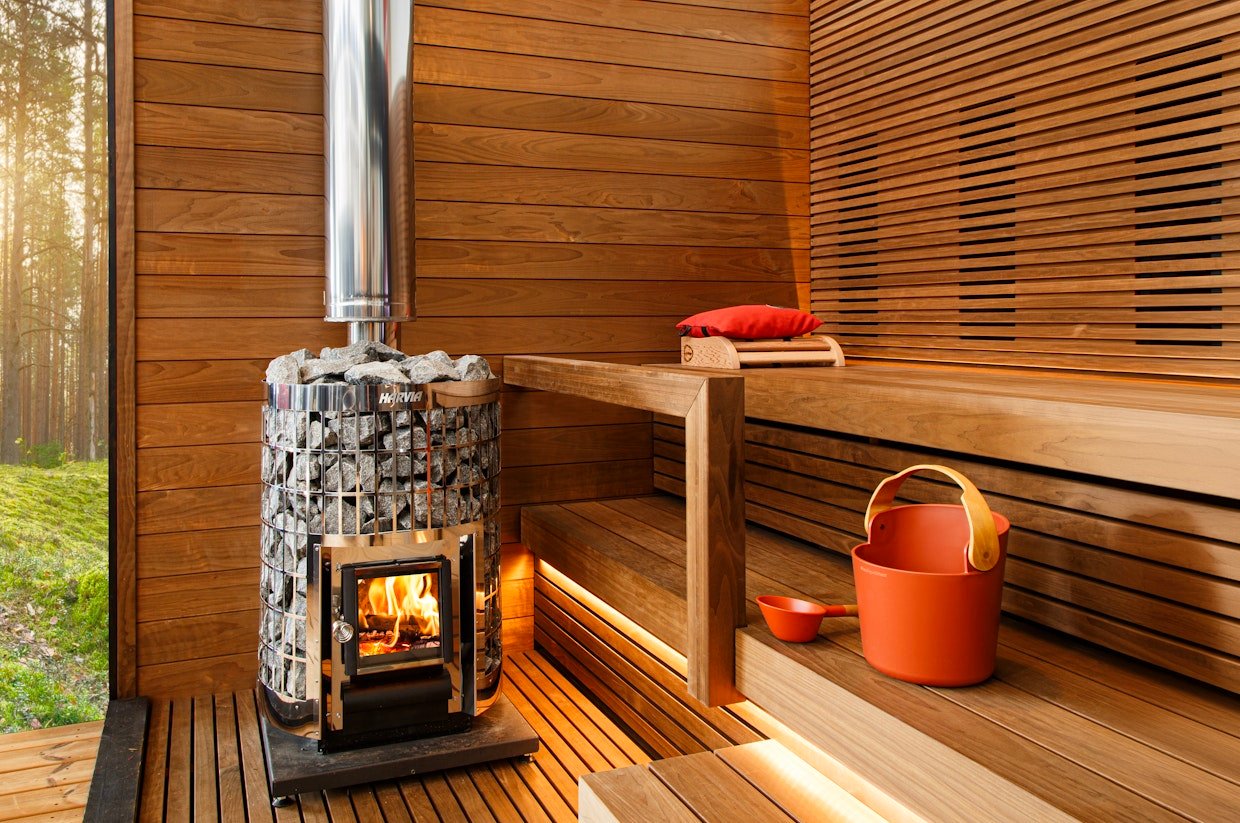
Sauna heaters are available in different output ratings, and the selected capacity must match the volume of the room. A heater that is too small may run continuously without reaching the desired temperature, while an oversized unit can create uncomfortable heat and unnecessary operating costs.
Calculate the internal volume by multiplying the room’s length, width, and height. However, volume alone is not always enough. Glass doors, windows, stone surfaces, concrete walls, and poorly insulated sections can increase the effective heating requirement because they retain less heat than insulated timber walls.
Commercial sauna rooms generally require more robust equipment because they operate for longer periods and serve more users. The heater should be rated for frequent use and capable of recovering quickly when the door is opened repeatedly.
Always check the manufacturer’s room-size guidance and have the calculation reviewed by an experienced supplier or installer. Accurate sizing improves comfort, energy efficiency, and the working life of the equipment.
Compare Heater Quality and Control Features
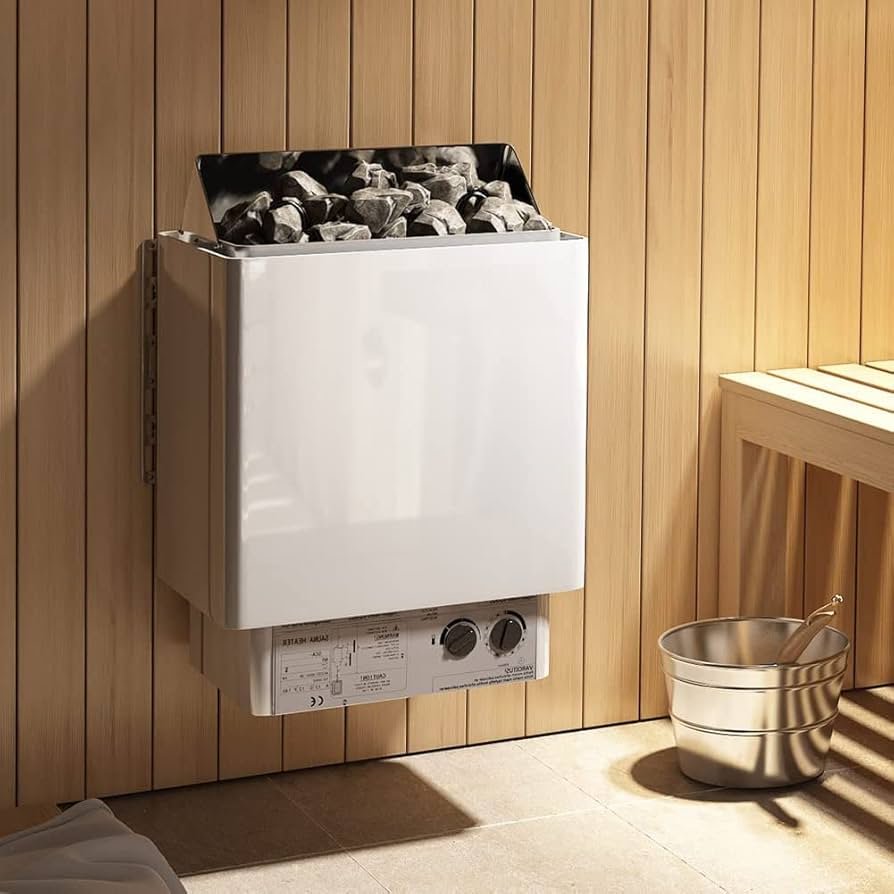
A dependable sauna heater should provide consistent heat, suitable stone capacity, durable construction, and controls that are easy to operate. The quality of internal components is particularly important in commercial environments where the heater may run for many hours each day.
Browse options to see why the Finnish-made Tylo sauna heater is a premium product that is exemplary for sauna rooms. Comparing several suitable models can help buyers understand differences in output, installation style, control systems, and intended usage.
Some heaters include built-in controls, while others use a separate wall-mounted or digital control panel. Available functions may include temperature adjustment, operating timers, delayed start, lighting controls, and automatic safety shut-off.
Remote or programmable controls can be valuable in hotels, gyms, wellness centres, and other commercial facilities. Staff can prepare the sauna before opening hours and maintain a consistent schedule without entering the room repeatedly.
Consider maintenance requirements as well. Controls and heating elements should be accessible for inspection, while replacement parts and qualified technical support should remain available throughout the expected service life.
Plan for Safe Installation and Daily Use
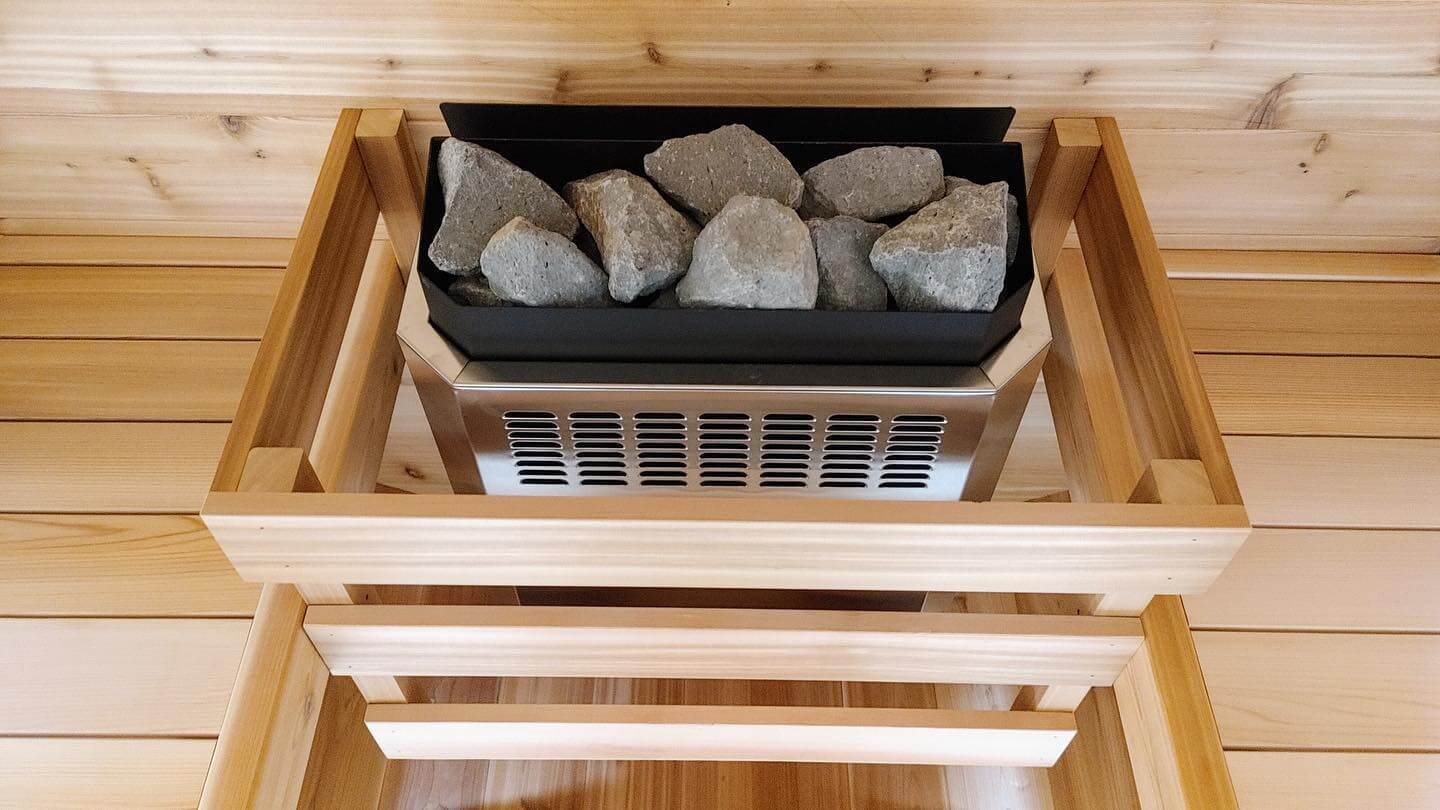
Sauna heater installation must account for electrical capacity, ventilation, minimum safety clearances, protective guards, and the position of benches and doors. Electric heaters normally require installation by an appropriately qualified professional.
Check whether the existing electrical supply can support the chosen model. Higher-output heaters, particularly those intended for commercial rooms, may require different wiring, circuit protection, or a three-phase power connection.
The heater must be positioned according to the manufacturer’s clearance requirements. Towels, timber accessories, and other combustible items should never be placed where they can fall onto or obstruct the unit.
Correct sauna stones are also important because they store and distribute heat. Stones should be placed as directed, inspected periodically, and replaced when they crack or deteriorate. Incorrect packing can restrict airflow and place unnecessary stress on the heating elements.
Conclusion
Choosing the right sauna heater requires accurate room sizing, careful comparison of equipment quality, and proper planning for installation. Residential and commercial saunas have different operating demands, so the heater must suit the expected frequency and duration of use.
By considering output, controls, construction, electrical requirements, and technical support, buyers can select a system that provides reliable warmth, efficient operation, and a comfortable sauna experience for years to come.